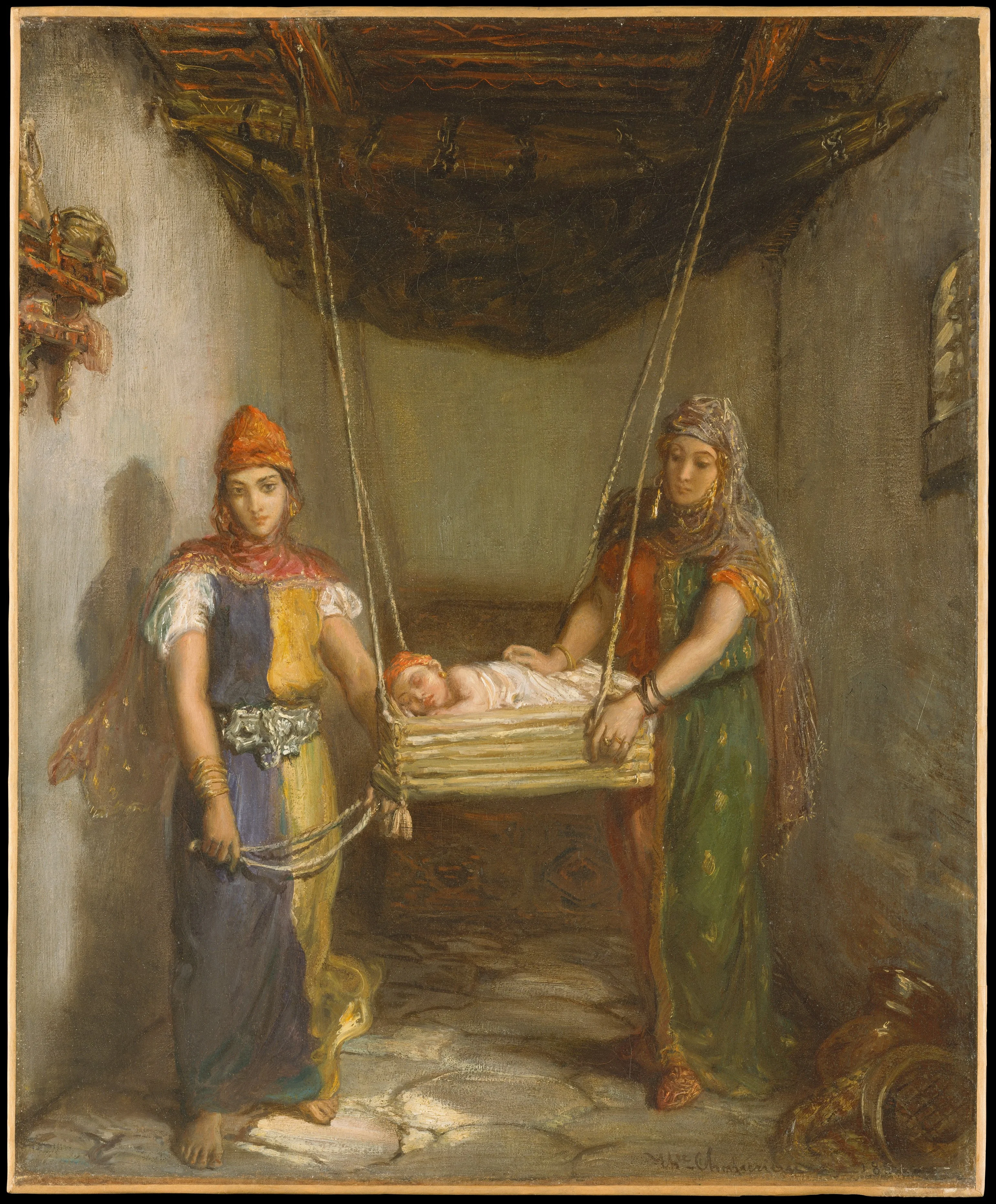
Jewish Women Under the Orientalist Gaze
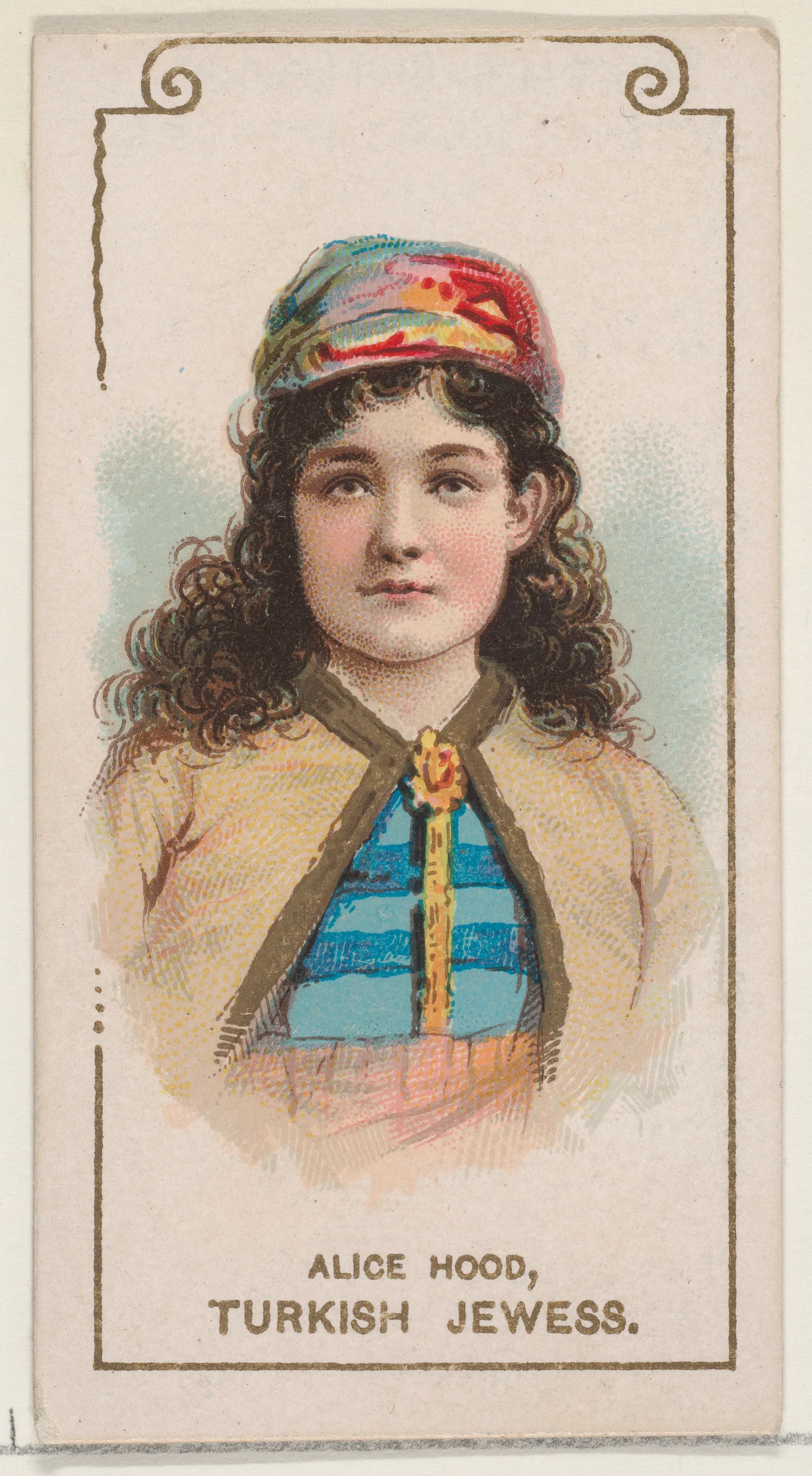
When 19th-century Orientalist artists traveled to the Middle East and North Africa, either in person or in their minds, their infamous Islamic odalisques were far from the only points of fascination. At the time, Jewish communities had a significant presence across the region, especially Sephardic Jews, who trace their lineage back to those expelled from the Iberian Peninsula during the Spanish Inquisition. Although Jewish women would have dressed modestly and covered their hair after marriage, they would not have worn veils like their Muslim peers. Therefore, while Muslim women and especially their domestic spaces were off limits to artists looking to emulate One Thousand and One Nights, Jewish women provided a welcome alternative for the Orientalist gaze. In imperial Europe, including France and Germany, Jews were already seen through an Orientalist lens, as the “Asiatics” or “orientals” of the continent. In the context of what is now referred to as the MENA region, Arabs, Turks, and Jews would be painted with the broad exoticising brush of the Other, quite literally in the case of such notable Orientalist artists as Eugène Delacroix and his followers. But although the Orientalist image is undoubtedly problematic and likely inaccurate, these depictions capture the memory of what is now a disappearing community in these countries, especially Algeria, where it is unclear if any Jews remain. When relations between Muslims and Jews have become especially fraught, recalling an active Jewish life in the Islamic world can be useful. As Ivan Davidson Kalmar and Derek J. Penslar write in their volume Orientalism and the Jews, “To understand orientalism, we must read discourses about Muslims and Jews together, however embarrassing or disturbing the task may be politically, religiously, or emotionally.”
A
J
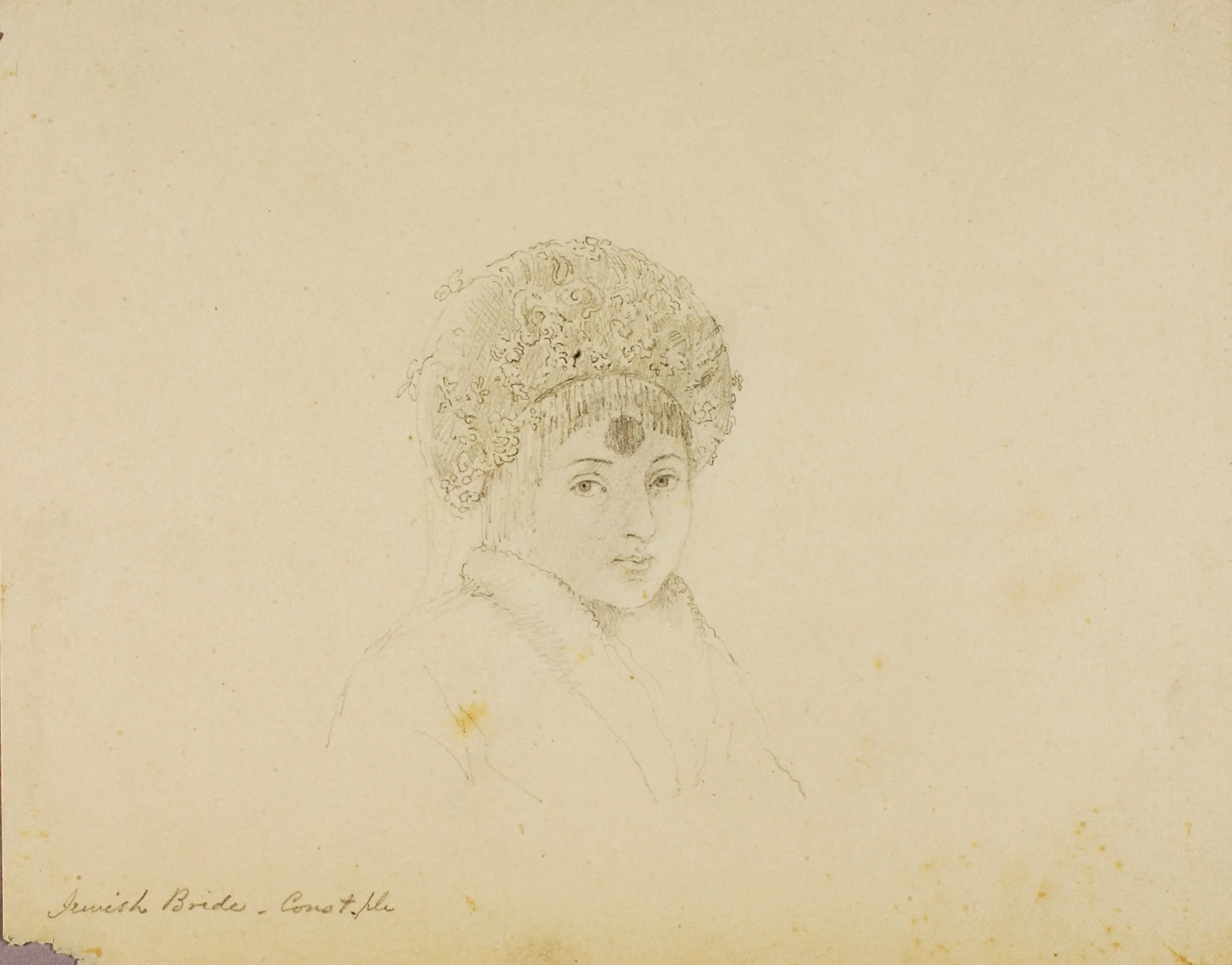
Jewish Bride, Constantinople
Smithsonian American Art Museum Object Description No narrative description is supplied in the Curationist record; the catalog metadata below was transcribed from its source.
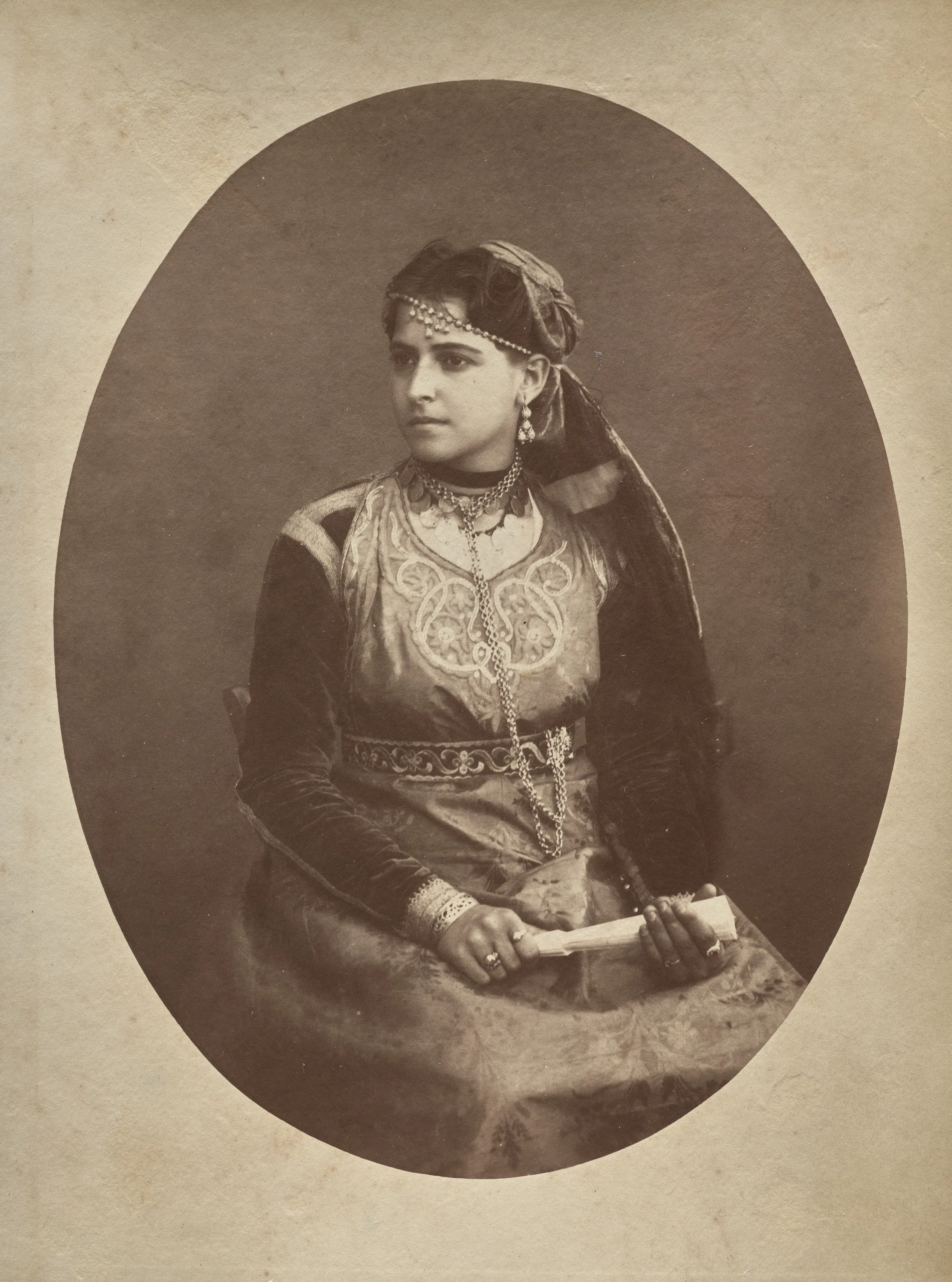
Jewish Woman in Algeria
Cleveland Museum of Art Object Description It is possible that this photograph was intended as an ethnographic study, but it conveys the sitter’s individuality, beauty, and dignity in a way that we associate with portraits. Muslim Arabs and Berbers, who comprised the majority of people living in Algeria, would most likely not have let their women be photographed without a veil covering the face.
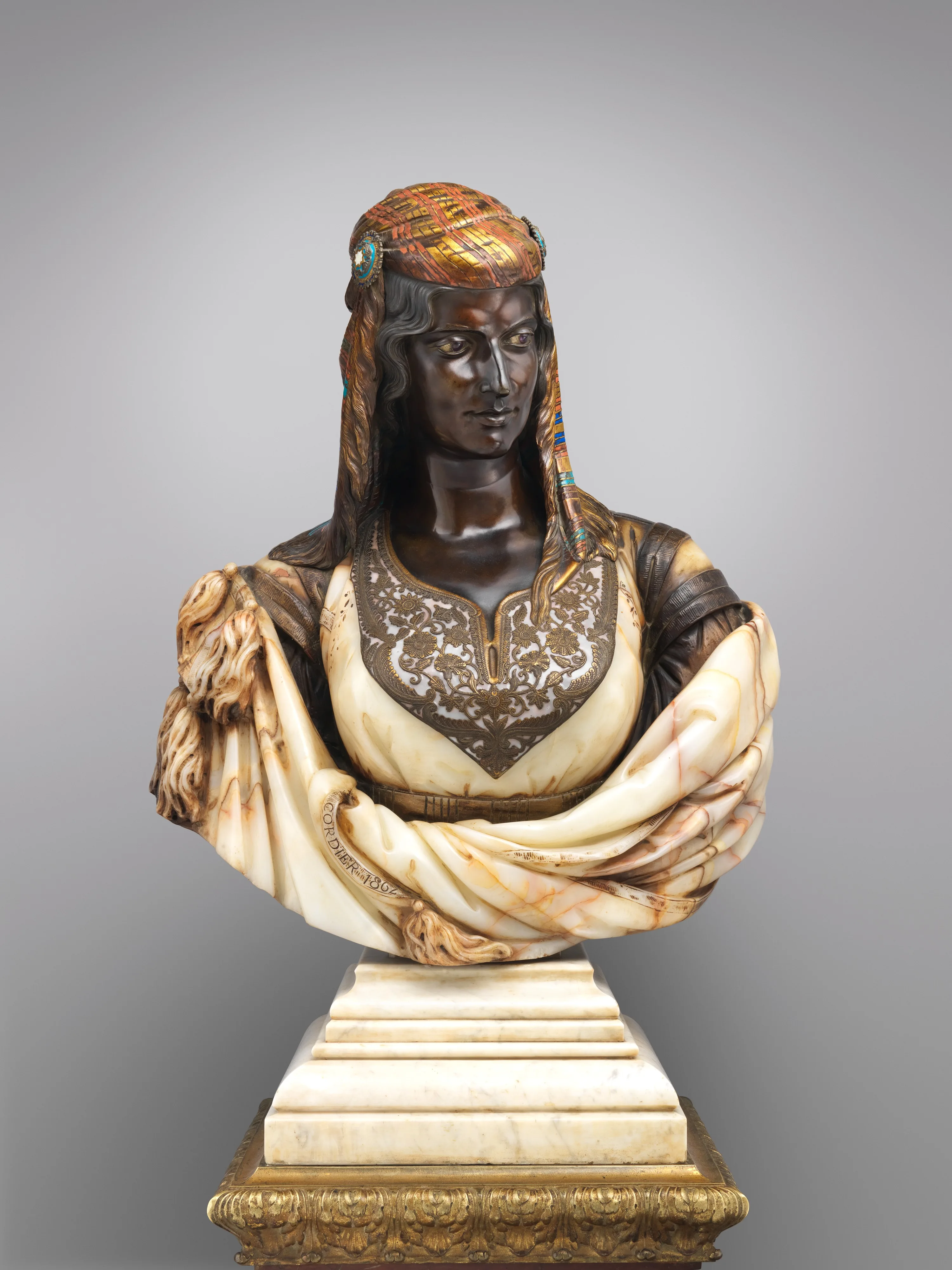
Jewish Woman of Algiers
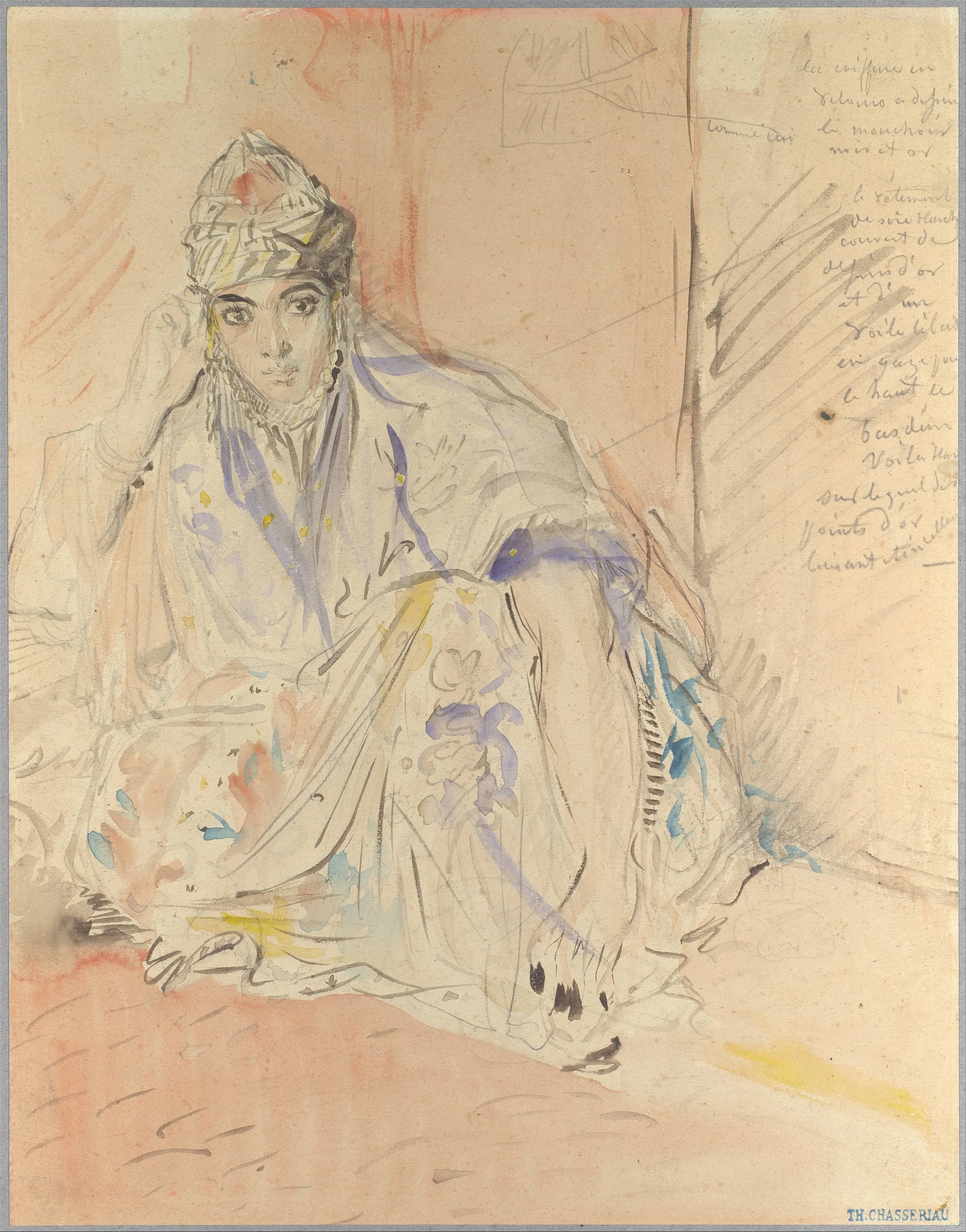
Jewish Woman of Algiers Seated on the Ground