Protection from the Evil Eye
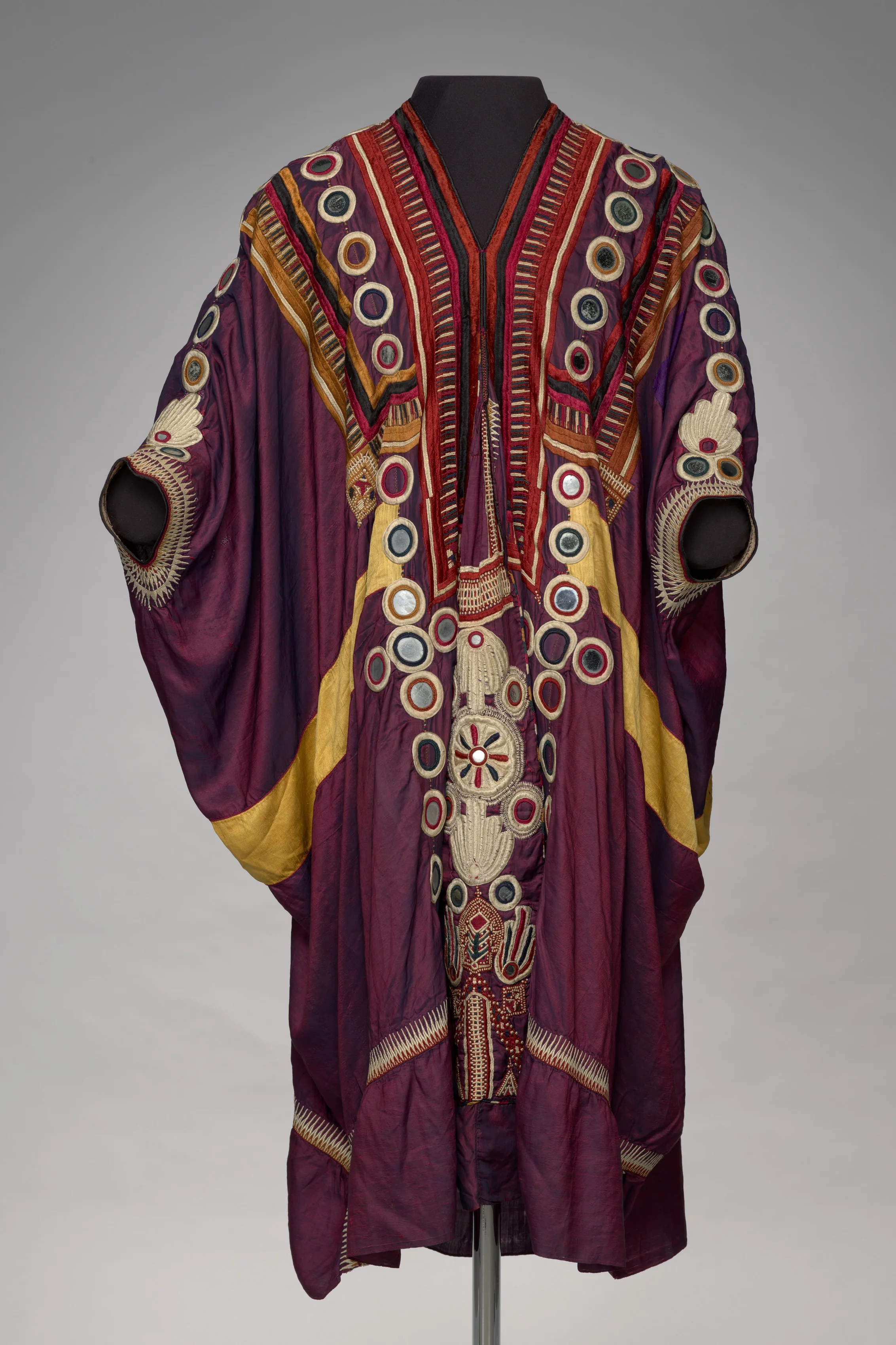
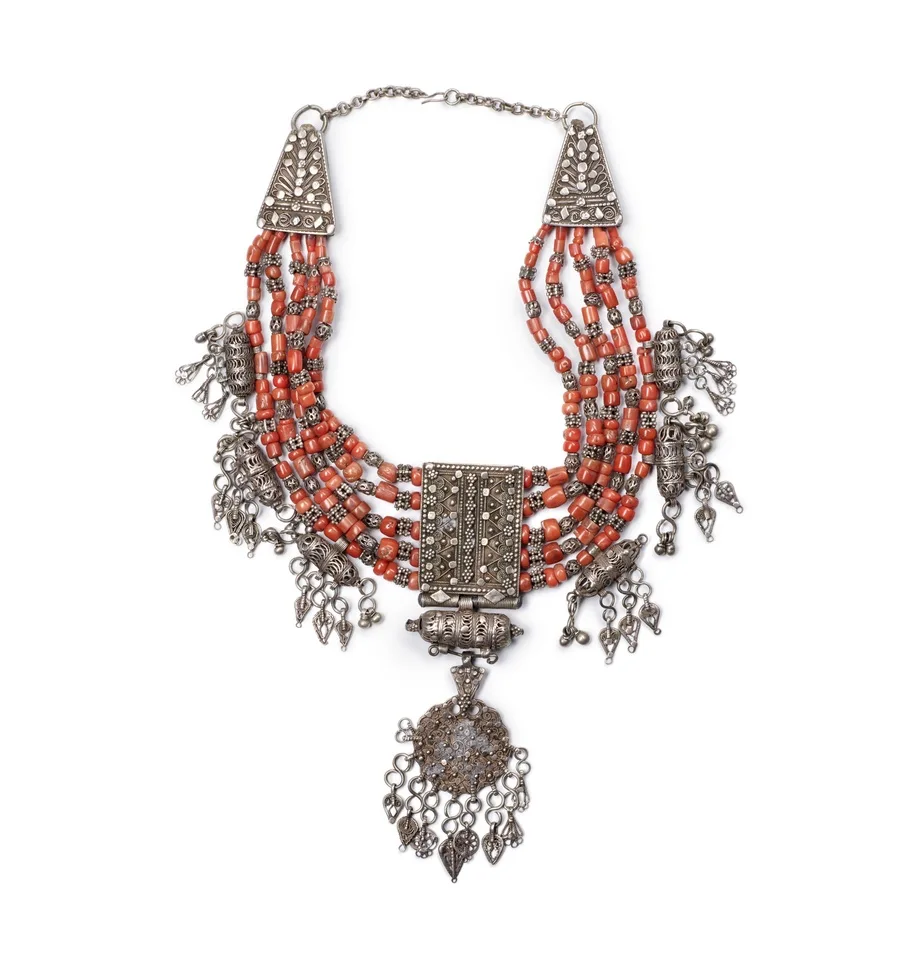
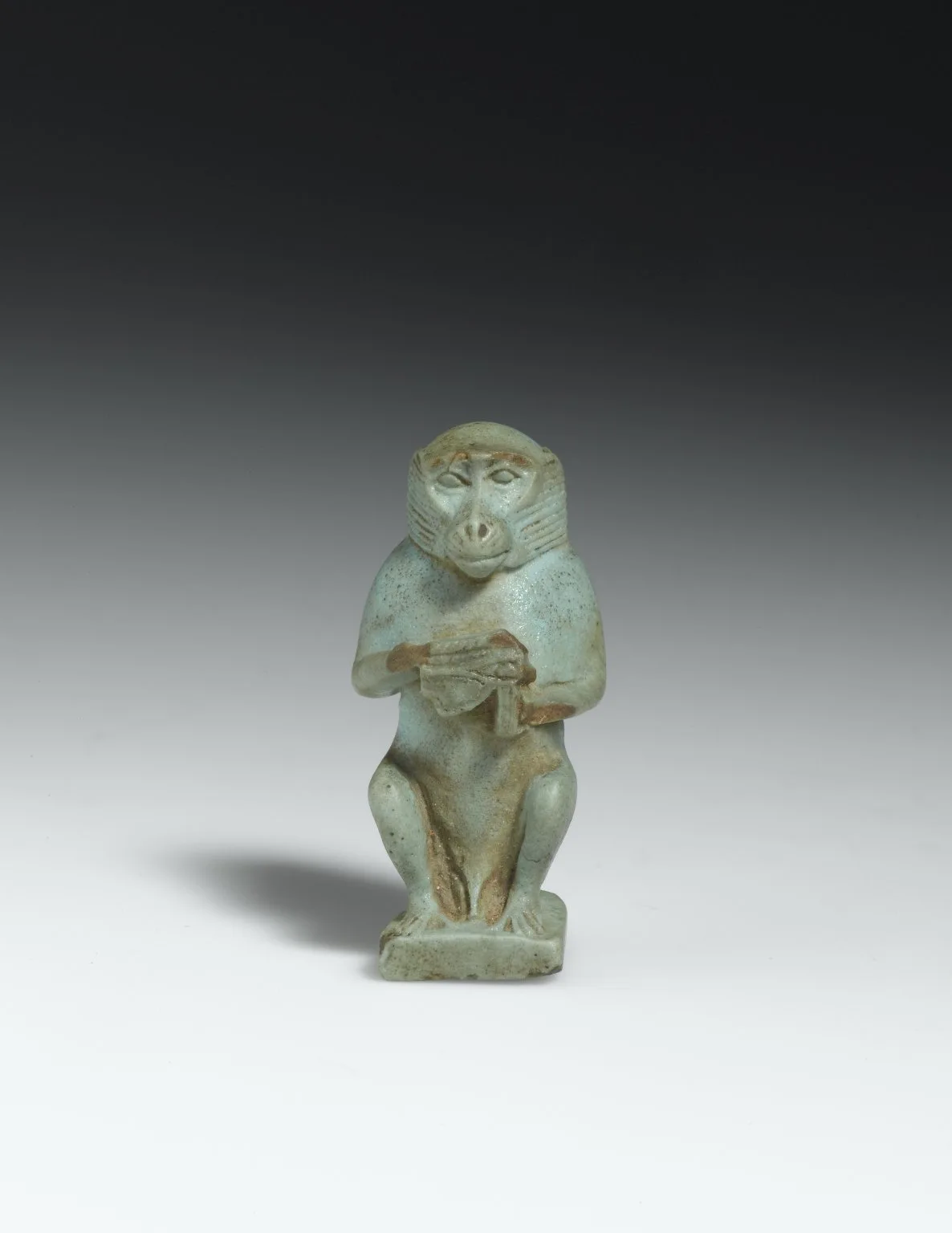
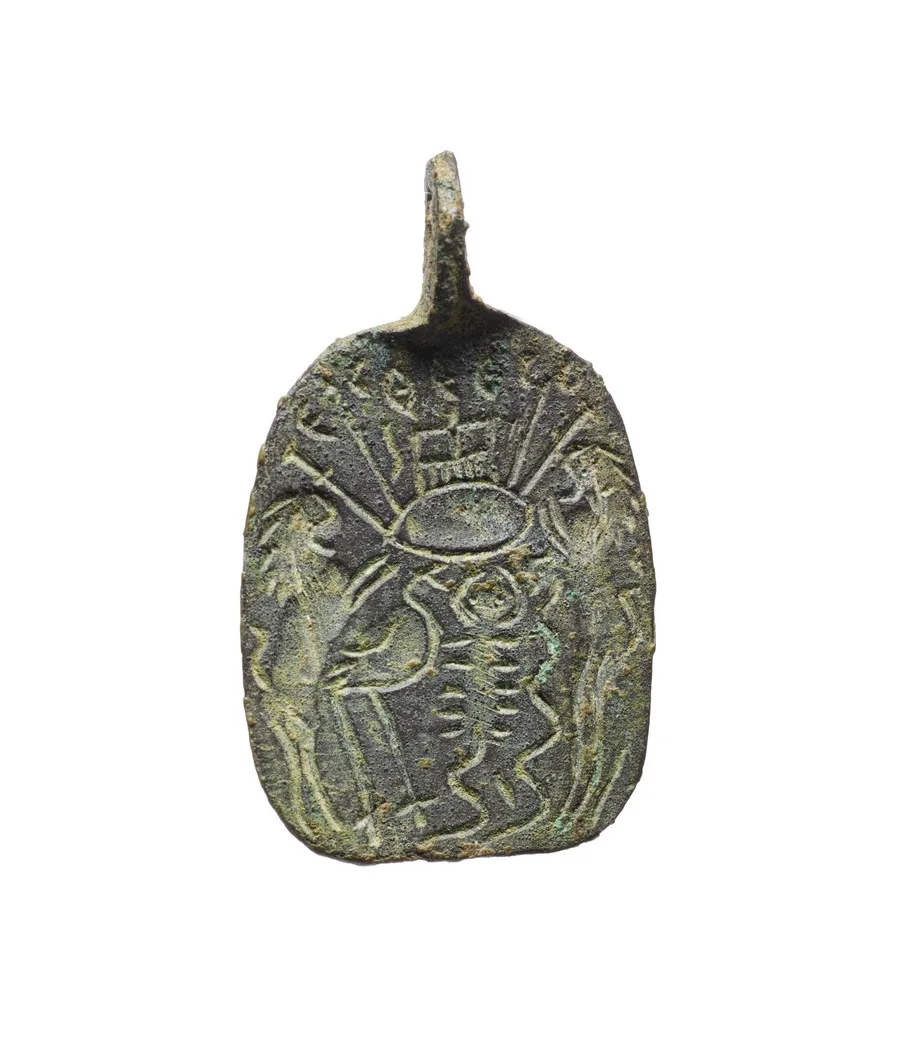
For millions of people across the globe, the nazar symbol provides powerful protection against the evil eye. While people from many different cultures associate the gaze with the power to both inflict and shield people from evil, the dot-in-circle eye motif most likely originated in the ancient Mediterranean and Southwest Asia. The evil eye is a kind of curse often believed to be conferred through envious gazes. Within this broader tradition, people use a number of motifs including the eye (nazar), the open hand (khamsa or mano poderosa), phallic and vulva imagery (mano figa), and bird figures as an interlocking symbolic language of protection. Precious materials, such as turquoise and coral, are also commonly used to boost the objects' protective powers. The ancient Mediterranean use of the eye motif is evident in objects such as the Wedjat (Eye of Horus) from Ptolemaic Egypt, and the Greek drinking cup from the 500s BCE, included in this collection. Across thousands of years, this constellation of apotropaic (protective) symbols spread globally with trade and conquest, syncretizing with multiple religious and magical traditions. For example, this collection includes a 19th century Penca de Balangandã, a type of precious protective object among many enslaved Afro-Brazilian people. The Penca de Balangandã combines, among many charms, a mano figa (with likely Mediterranean roots) and a fish symbolizing the orisha Lemanjá, a powerful candomblé deity of Yoruba origin. The significance of the motifs included here varies across time and place. At some moments, and in some regions, they may be purely decorative. For example, art historians argue that a Chinese bead from the fifth century BCE likely features the eye as an aesthetic motif adopted from trade objects, rather than as a protective symbol. Today, many people who purchase nazar objects from commercial jewelers have relationships with the symbol ranging from pure decoration to deep belief. In contexts where people value apotropaic objects for their cultural and/or magical impact, they are often used for good fortune during times of transition. For example, the 19th century Yemeni coral necklace, featured here, likely protected a bride or expectant mother.
A
B
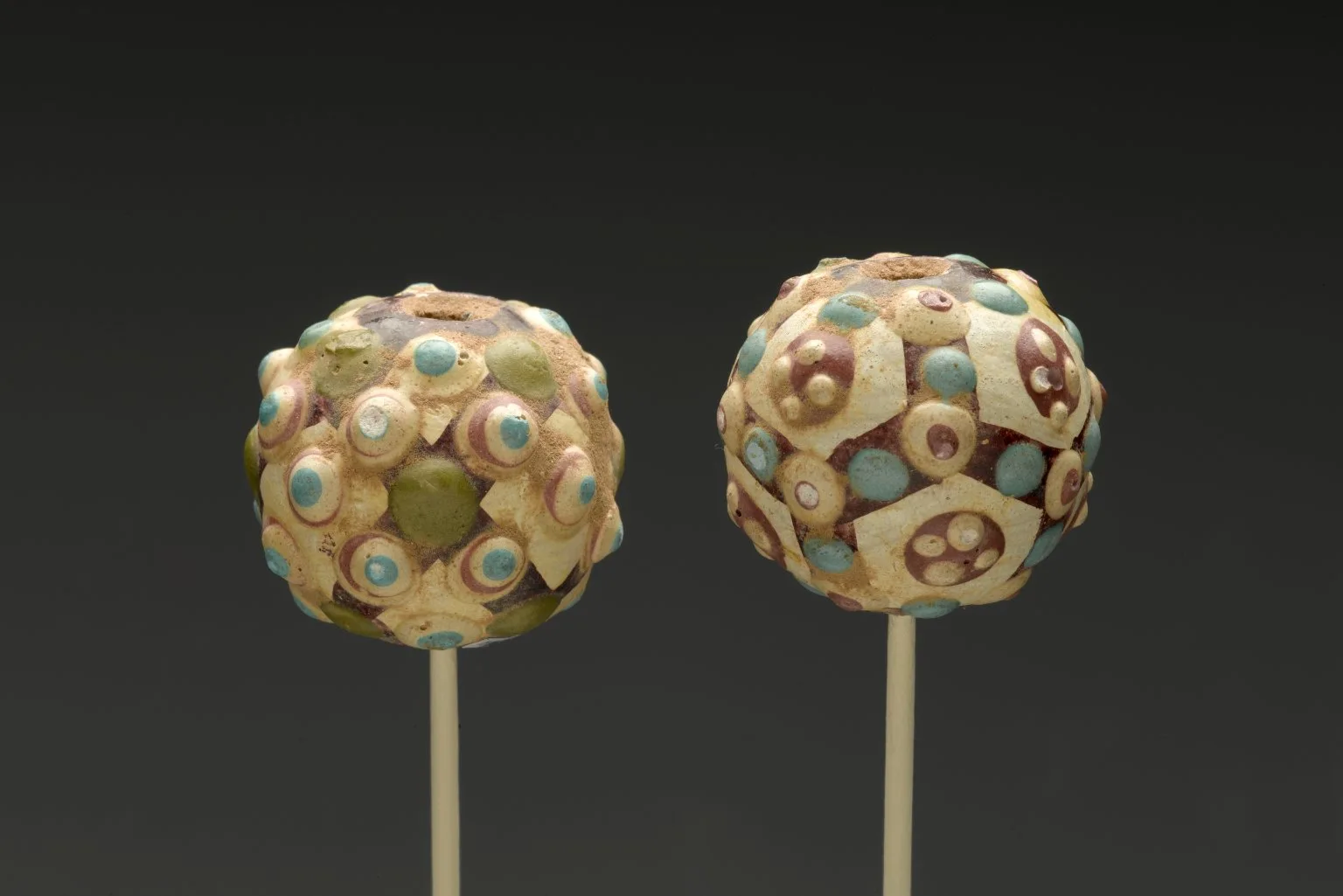
Bead
Brooklyn Museum Object Description This pair of glass beads was made during an early period of highly inventive glass bead making in China from the fifth to third centuries b.c. The raised-eye motifs show the influence of beads that had been made in Egypt, India, and western Asia since the third millennium b.c. as protection against the “evil eye.” These beads have an earthenware core, to which drops of glass paste were applied to create the multilayered eyes. No evidence shows that Chinese eye beads were believed to have protective qualities; most likely they were made for personal adornment. This pair of glass beads was made during an early period of highly inventive glass bead making in China from the fifth to third centuries b.c. The raised-eye motifs show the influence of beads that had been made in Egypt, India, and western Asia since the third millennium b.c. as protection against the “evil eye.” These beads have an earthenware core, to which drops of glass paste were applied to create the multilayered eyes. No evidence shows that Chinese eye beads were believed to have protective qualities; most likely they were made for personal adornment.
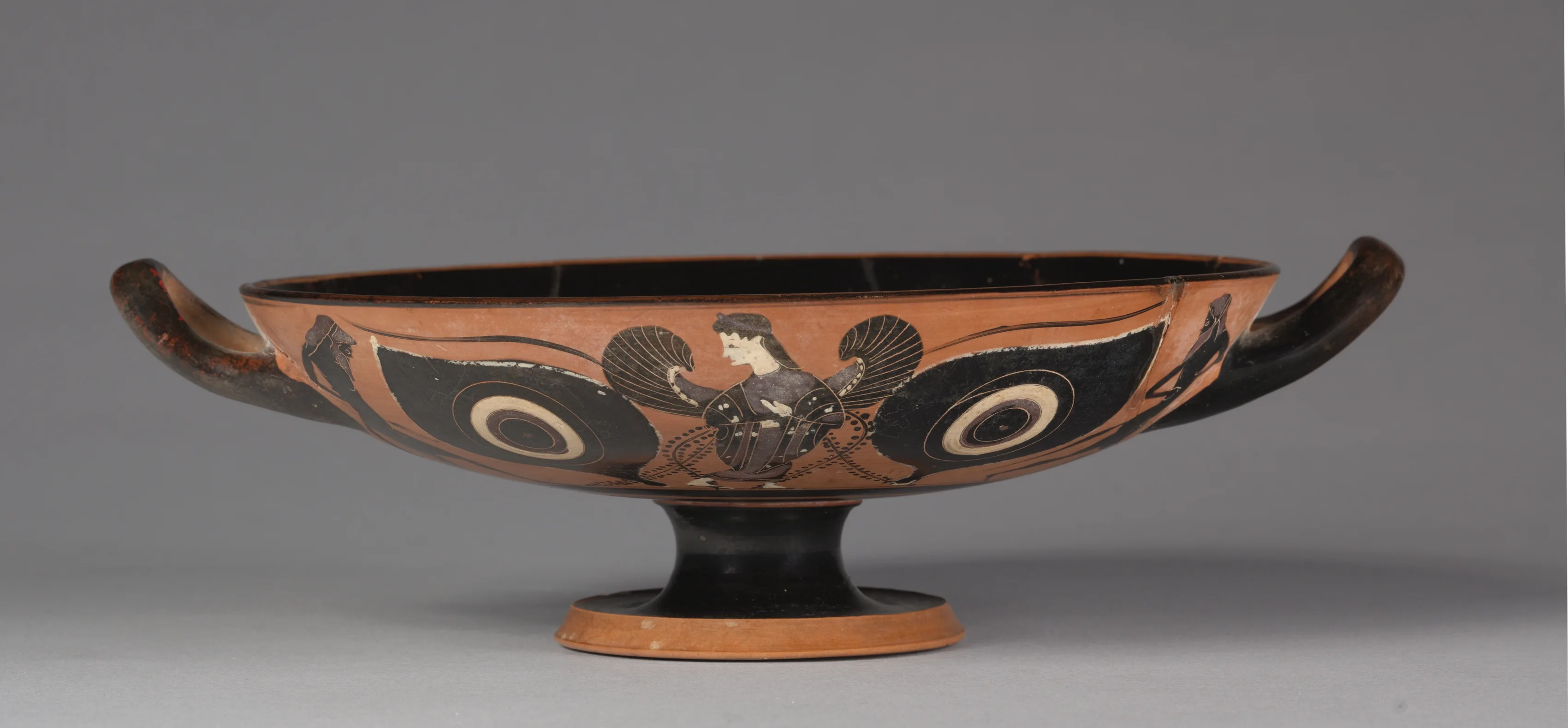
Black-Figure Eye Cup: Iris and Satyrs (A, B); Gorgoneion (I)
Cleveland Museum of Art Object Description Along with two large sets of eyes on its exterior, this drinking vessel also features other figures: a winged female, probably Iris, between each pair of eyes, and pairs of satyrs flanking them; a winged dolphin beneath each handle; and a frontal Gorgoneion, or face of Medusa, baring her teeth and tongue within the tondo. Although the eyes and Gorgoneion may serve to ward off evil, they also make for fluid identities while drinking, inviting drinkers to enter the mythical realm. For when tilting such cups to imbibe, drinkers confront monstrous beings while simultaneously masking their faces from others.